

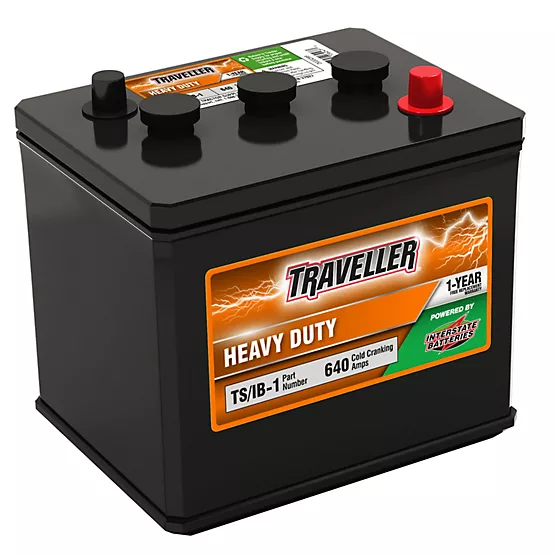
Agricultural tractor battery replacement
$98.00
The battery is the lifeblood of every piece of modern farm machinery, delivering the reliable starting power and energy reserves needed for tractors, combine harvesters, and other essential equipment. Unlike standard automotive batteries, agricultural batteries are purpose-built to withstand the extreme demands of the farm environment, including high vibration, temperature extremes, dust, and heavy-duty electrical loads. Selecting the right battery ensures your equipment is ready to start, season after season, and significantly reduces the risk of costly downtime during critical planting or harvesting windows.
Agricultural batteries are primarily available in three distinct technologies, each suited to different applications and budgets:
-
Flooded Lead-Acid (FLA): The most traditional and widely used battery type in agriculture, FLA batteries offer a cost-effective solution with solid power delivery and long service life when properly maintained. However, they require regular maintenance (water topping), must be installed upright, and are vulnerable to vibration. They remain a good choice for older machinery where maintenance access is easy.
-
Absorbent Glass Mat (AGM): A premium upgrade that is becoming the standard for modern, high-value equipment. AGM batteries are completely sealed and maintenance-free. They offer up to 20 times more vibration resistance than flooded batteries, which is critical for rough terrain. AGM batteries can be mounted in any orientation and their spill-proof design protects sensitive electronics from acid damage. They are the ideal choice for heavy machinery, combines, and operations in cold climates.
-
Lithium-Ion (Li-ion): The newest, most advanced battery technology is rapidly gaining traction in agriculture due to its lightweight design, high energy density, and extremely long life. Lithium batteries offer 2,000 to over 5,000 cycles, charge up to three times faster than lead-acid, and perform exceptionally well in freezing temperatures. Although the upfront cost is significantly higher, they offer the best long-term value for electric tractors, precision farming tools, and applications where weight savings are critical. Prototypes also show great promise for electric tractors and other specialized vehicles.
Key specifications to consider when choosing a battery include:
-
Cold Cranking Amps (CCA): Measures starting power in cold temperatures. Higher CCA is essential for reliable winter starts, with large diesel tractors often requiring 800-1000 CCA or more.
-
Reserve Capacity (RC): Indicates how long the battery can run essential electrical components if the charging system fails. A higher RC is important for tractors with heavy electrical loads (like cab electronics).
-
BCI Group Size: Ensures the battery fits correctly in your machine’s battery tray. Common groups include 22NF, 31, 4D, and 8D, depending on the equipment.
Always prioritize batteries with spill-proof designs and maintenance-free operation to withstand the harsh farming conditions. For high-use, high-vibration applications like combine harvesters and large tractors, premium AGM batteries from brands like Odyssey offer two times the power and three times the life of conventional batteries, keeping your equipment in the field longer. By choosing the right battery technology and properly maintaining it, farmers can avoid premature failure, which a John Deere study suggests can cost mid-sized farms $1,200 annually in replacement costs.


There are no reviews yet.